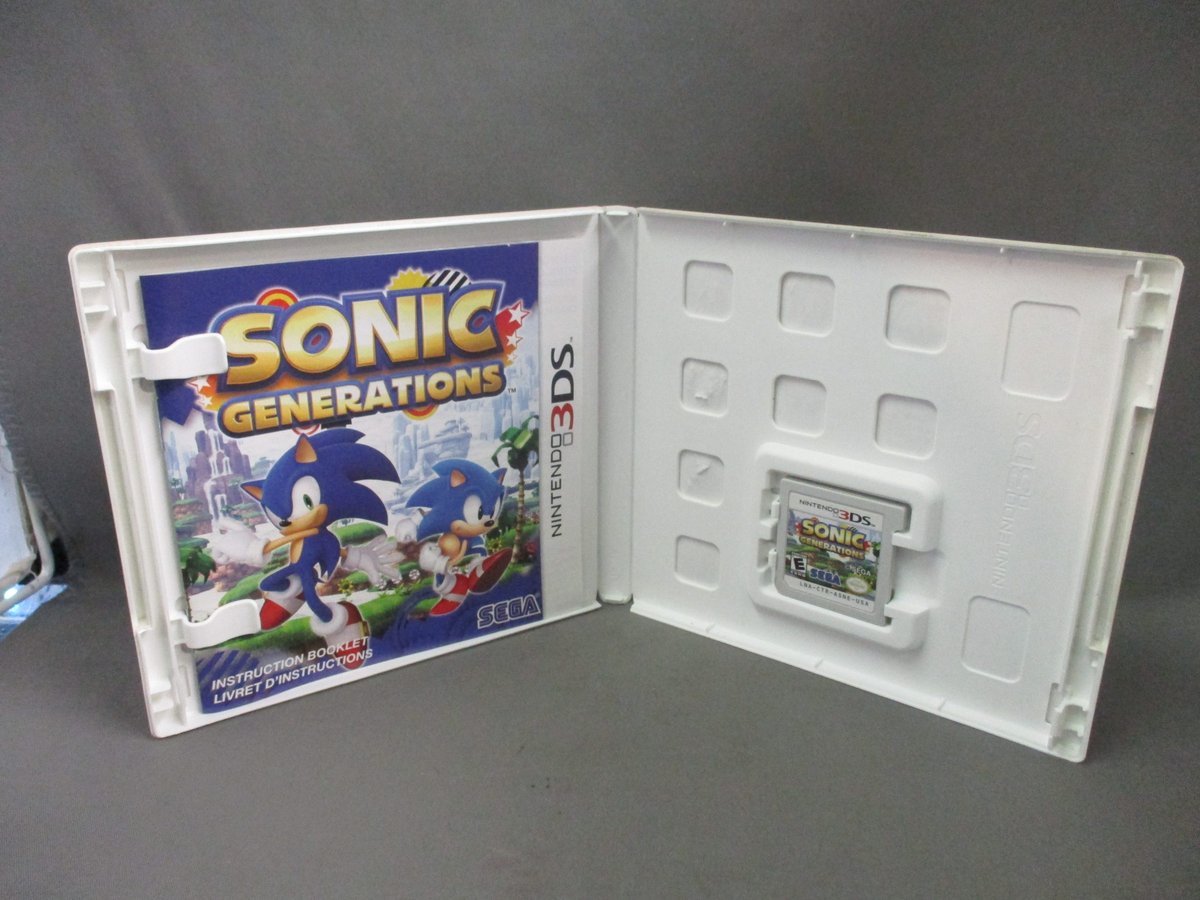
Sonic the Hedgehog's 20th anniversary in 2011 was a landmark event, celebrated with a game that aimed to capture the essence of his storied past and exhilarating present: Sonic Generations. This title wasn't just another platformer; it was a loving homage, allowing fans to relive cherished memories while forging new ones. While its console and PC brethren soared with high-definition spectacle, the Nintendo 3DS version carved out its own unique niche, offering a portable, distinct take on this anniversary adventure.
This Super Pillar Hub is your ultimate guide to understanding every facet of Sonic Generations on the Nintendo 3DS. We'll dive deep into its core mechanics, unravel its time-bending narrative, and even compare it to its console counterparts, ensuring you're fully equipped to appreciate this special entry in the Sonic saga.
A Journey Through Time: Classic and Modern Sonic Unite
Sonic Generations celebrates two decades of blistering speed and thrilling platforming by bringing together two iconic versions of the Blue Blur. This isn't just a nostalgic trip; it's a meticulously crafted experience designed to honor Sonic's evolution.
The Core Concept: Two Eras, One Epic Adventure
The premise is pure Sonic: Doctor Eggman, aided by his past self and a mysterious entity known as the Time Eater, conspires to erase his countless defeats, scattering Modern Sonic's friends across distorted time portals. It falls to Modern Sonic and Tails, alongside their younger, Classic counterparts, to venture into "White Space" and traverse familiar yet altered levels from previous games. Their mission? Rescue their friends, collect the seven Chaos Emeralds, and ultimately defeat the Time Eater to restore the timeline. To truly appreciate the rich tapestry of heroes, villains, and timelines at play, you'll want to explore Sonic's story and lore.
Unraveling the Time-Twisted Narrative
The game cleverly uses this time-traveling conceit to revisit beloved stages from three distinct eras of Sonic's history: the Classic Genesis era, the Dreamcast era, and the more contemporary Modern era. Each era is represented by iconic levels, redesigned to accommodate both Classic and Modern Sonic's unique playstyles. While the core narrative of stopping Eggman and saving the timeline is straightforward, the true magic lies in experiencing these historical moments through a dual perspective, creating a cohesive and compelling journey for new players and veterans alike.
Diving Deep into the Nintendo 3DS Experience
The Nintendo 3DS version of Sonic Generations isn't a mere port; it's a parallel development handled by the skilled team at Dimps, built from the ground up for the handheld system. This dedication resulted in a game with its own distinct flavor, tailored for on-the-go play.
Unique Gameplay on the Go
Players alternate between Classic Sonic, who zips through side-scrolling levels with his iconic Spin Dash and Spin Attack, and Modern Sonic, who, while also primarily in 2D on the 3DS, still utilizes his boost and homing attack to maintain his signature high-speed momentum. Throughout each level, you'll collect rings to maintain health and various power-ups to aid your progress. Your performance is rigorously graded from "S" (best) to "D," encouraging replayability to master stages. For a full breakdown of how each Sonic plays and what makes the handheld experience unique, you should explore gameplay and 3DS features in detail.
Exclusive 3DS Features and Collectibles
The 3DS iteration comes packed with its own set of exclusive features that leverage the system's capabilities. Beyond the main story, players can unlock a special stage, engage in unique missions and collectables via StreetPass, or even challenge a friend in a two-player Versus Mode using Multi-Card Play. Additionally, Play Coins can be used to unlock further challenges, adding significant value and replayability that you won't find anywhere else. These additions provide a compelling reason for handheld gamers to dive into this particular version of the anniversary celebration.
Comparing Dimensions: 3DS vs. Console Counterparts
While sharing the Sonic Generations name, the 3DS version stands apart from its PlayStation 3, Xbox 360, and PC counterparts. Understanding these differences is crucial for appreciating the unique offering of the handheld experience.
A Different Kind of Sonic Adventure
The console/PC versions, developed by Sonic Team using the powerful Hedgehog Engine, offered sprawling 3D levels for Modern Sonic and vibrant visuals. The 3DS version, however, was developed by Dimps from scratch, resulting in a game that, while visually appealing for the system, often restricts both Classic and Modern Sonic to 2D plane gameplay. This distinction, along with the 3DS version's generally shorter length and less varied level design compared to the consoles, contributed to its mixed critical reception. If you're curious about how these versions stack up, it's worth taking the time to compare 3DS console versions to see the full scope of differences.
Mastering the Levels: Tips, Tricks, and Triumphs
Whether you're new to the game or aiming for that coveted "S" rank, navigating Sonic Generations on the 3DS requires both speed and precision. From familiar zones to challenging boss battles, there's always something to master.
Conquering White Space and Beyond
Your adventure begins and unfolds within White Space, the central hub where you'll access levels spanning three distinct eras. Each level features two main acts, one for Classic Sonic and one for Modern Sonic, each designed to highlight their respective strengths. Beyond these, ten additional missions in each level provide extra challenges and opportunities to test your skills. Defeating the various rival and main bosses scattered throughout the game is not just crucial for advancing the plot, but also for collecting the all-important Chaos Emeralds. For detailed strategies, level breakdowns, and boss guides, you'll want to check out the Complete Sonic Generations 3DS walkthrough Sonic hub.
Reflecting on Sonic Generations 3DS: A Critical Look
Upon its release, Sonic Generations on Nintendo 3DS garnered a range of opinions. While praised for its core concept and celebratory nature, it also faced scrutiny for certain design choices unique to the handheld.
What Critics Said About the Handheld Adventure
The 3DS version received mixed reviews, often cited for its comparatively shorter length and the limited variation in gameplay between the two Sonics, with both largely restricted to 2D movement. Some critics also pointed to inconsistent level design, contrasting it with the generally more lauded console versions. Despite these criticisms, the game was a commercial success, demonstrating a strong desire among fans for a portable Sonic adventure. To get a complete picture of the reception and a deeper analysis of its strengths and weaknesses, dive into our Sonic Generations 3DS Review & article.
The Enduring Legacy and What Comes Next
Sonic Generations cemented Classic Sonic's place in the modern era, paving the way for his appearances in subsequent titles like Sonic Forces. While the original game saw backward compatibility and a thriving modding community for its console and PC versions, Sonic's anniversary legacy continues to evolve.
Sonic's Path Forward: From Generations to X Shadow Generations
The enduring appeal of Sonic Generations led to the announcement and recent release of Sonic X Shadow Generations. This remastered edition, available on modern platforms including the Nintendo Switch, bundles the original Generations remaster with a brand-new side story, Shadow Generations. The remaster itself brings exciting updates, including the fan-favorite Casino Night pinball DLC, hidden Chao to rescue, and the agile Drop Dash ability from Sonic Mania, alongside an updated script. This new chapter ensures that the anniversary celebration lives on, inviting both long-time fans and newcomers to experience the blending of classic and modern Sonic in a whole new light, promising even more thrilling adventures for the Blue Blur's future.